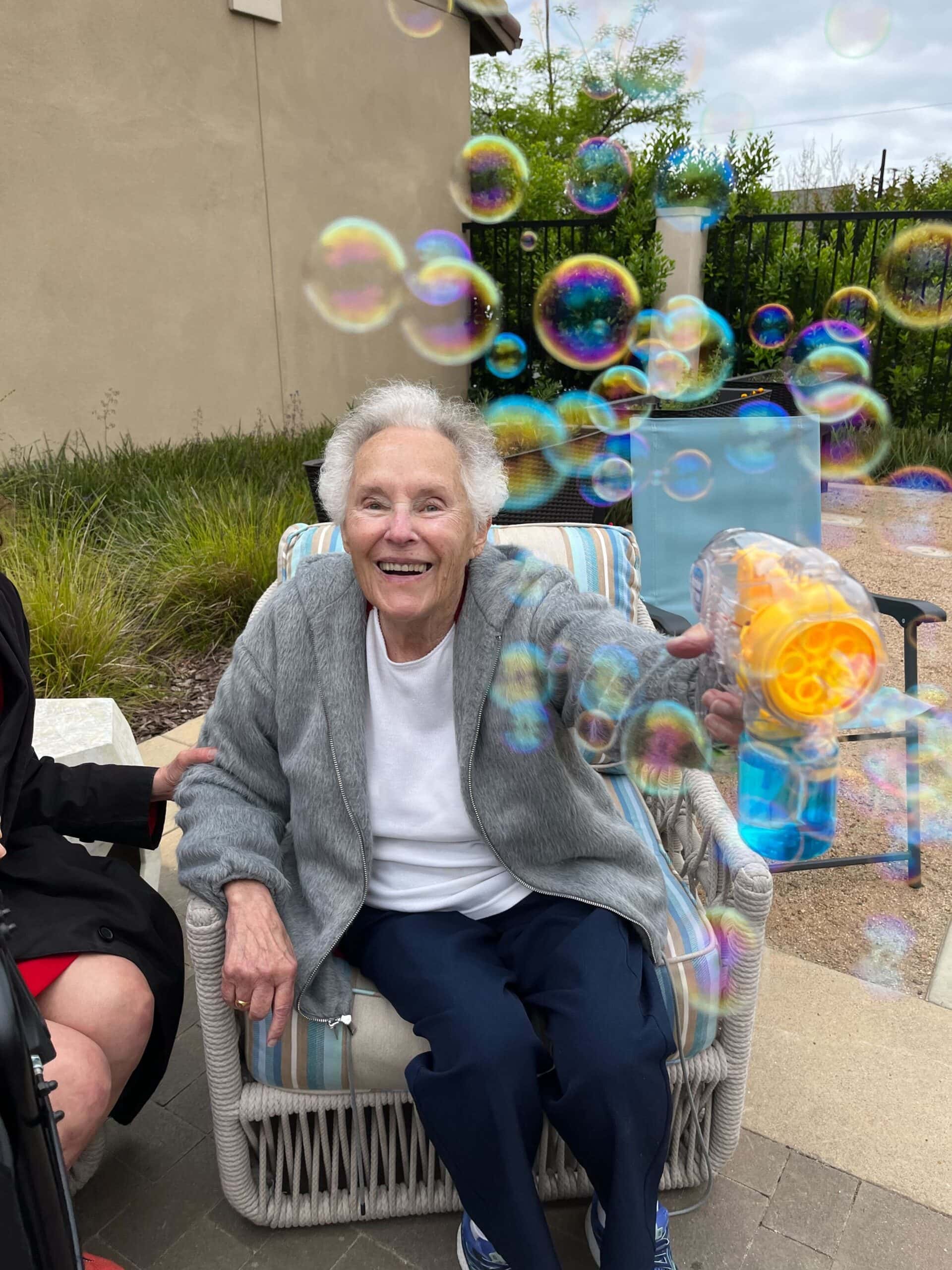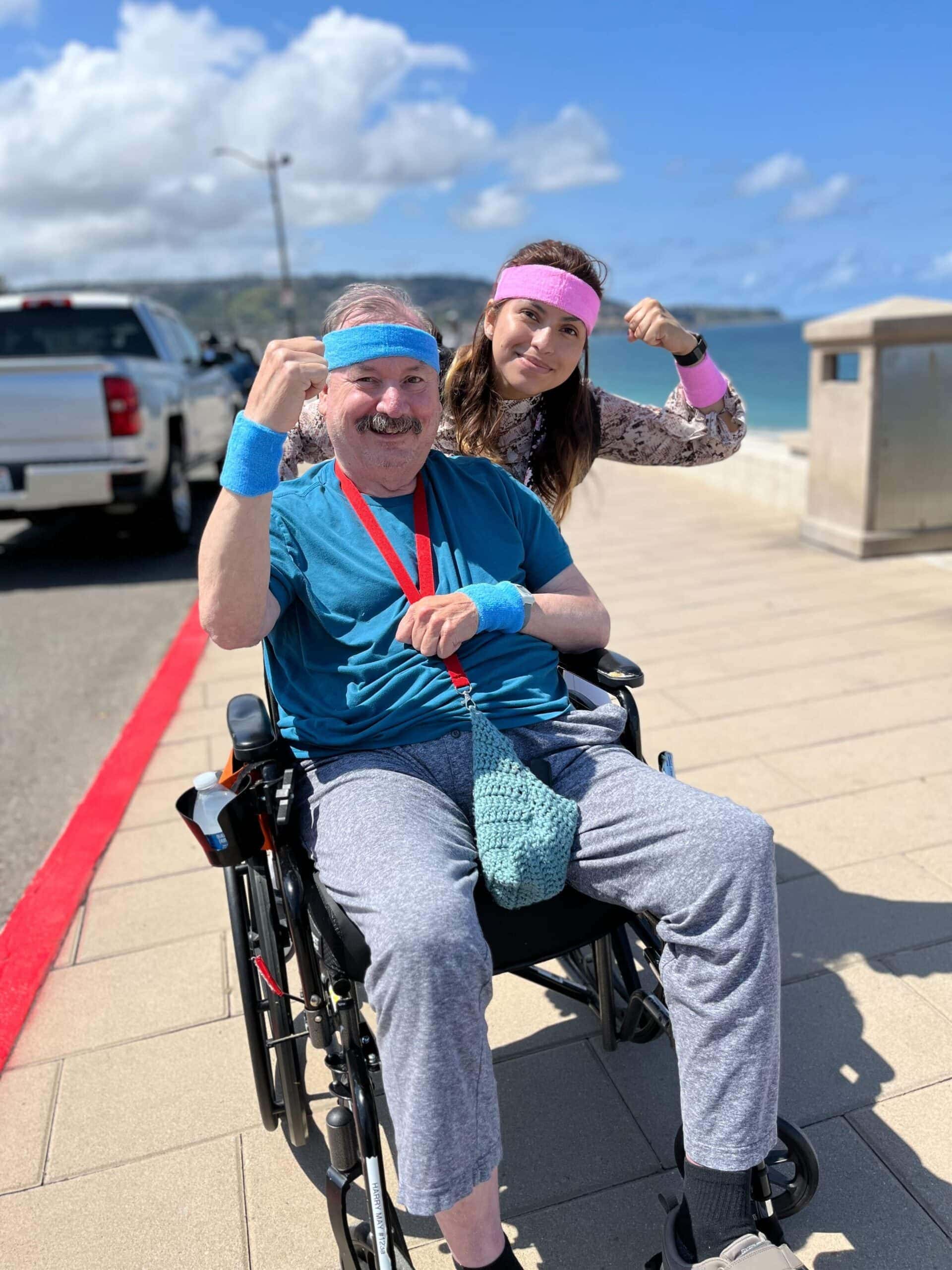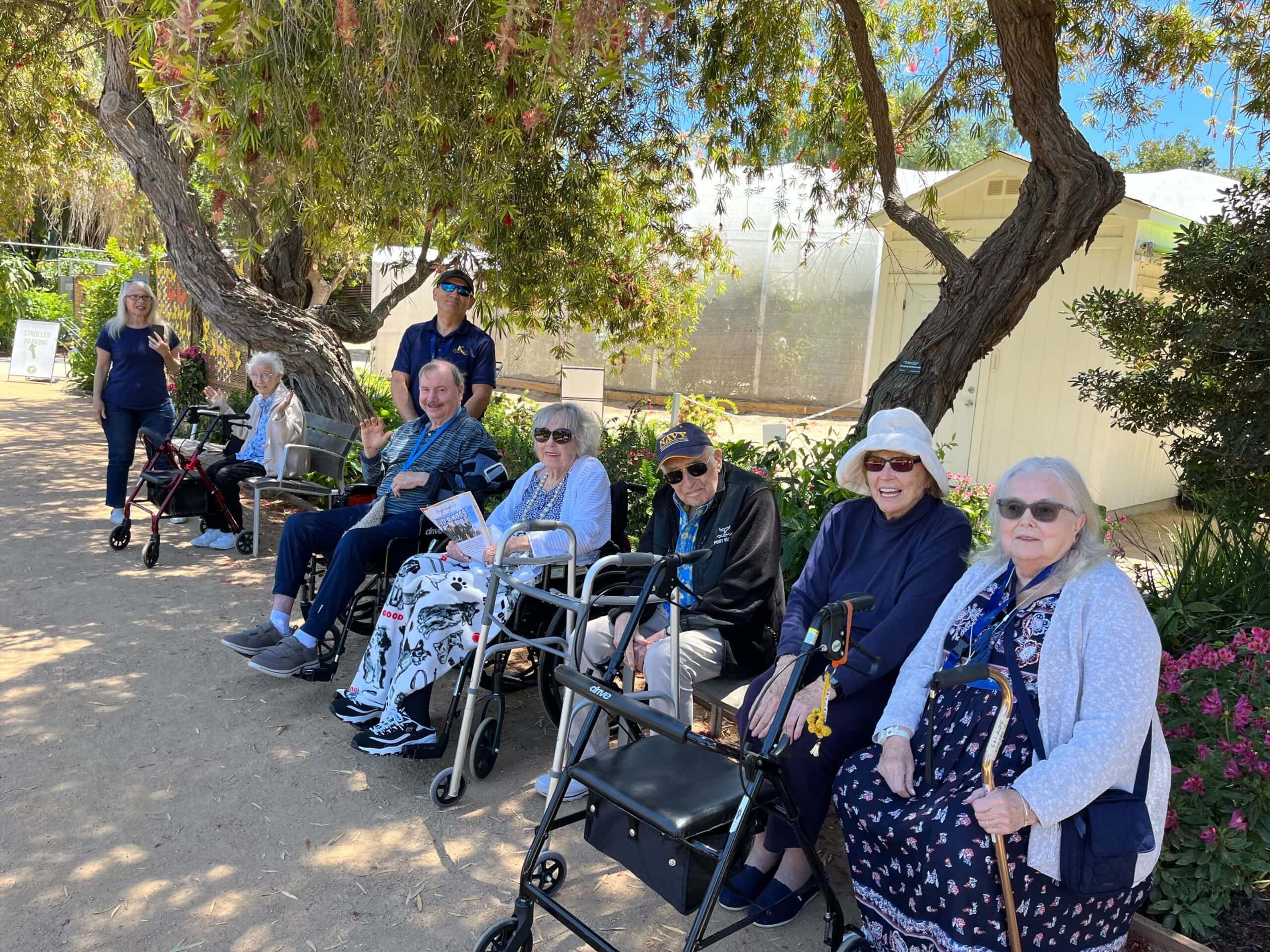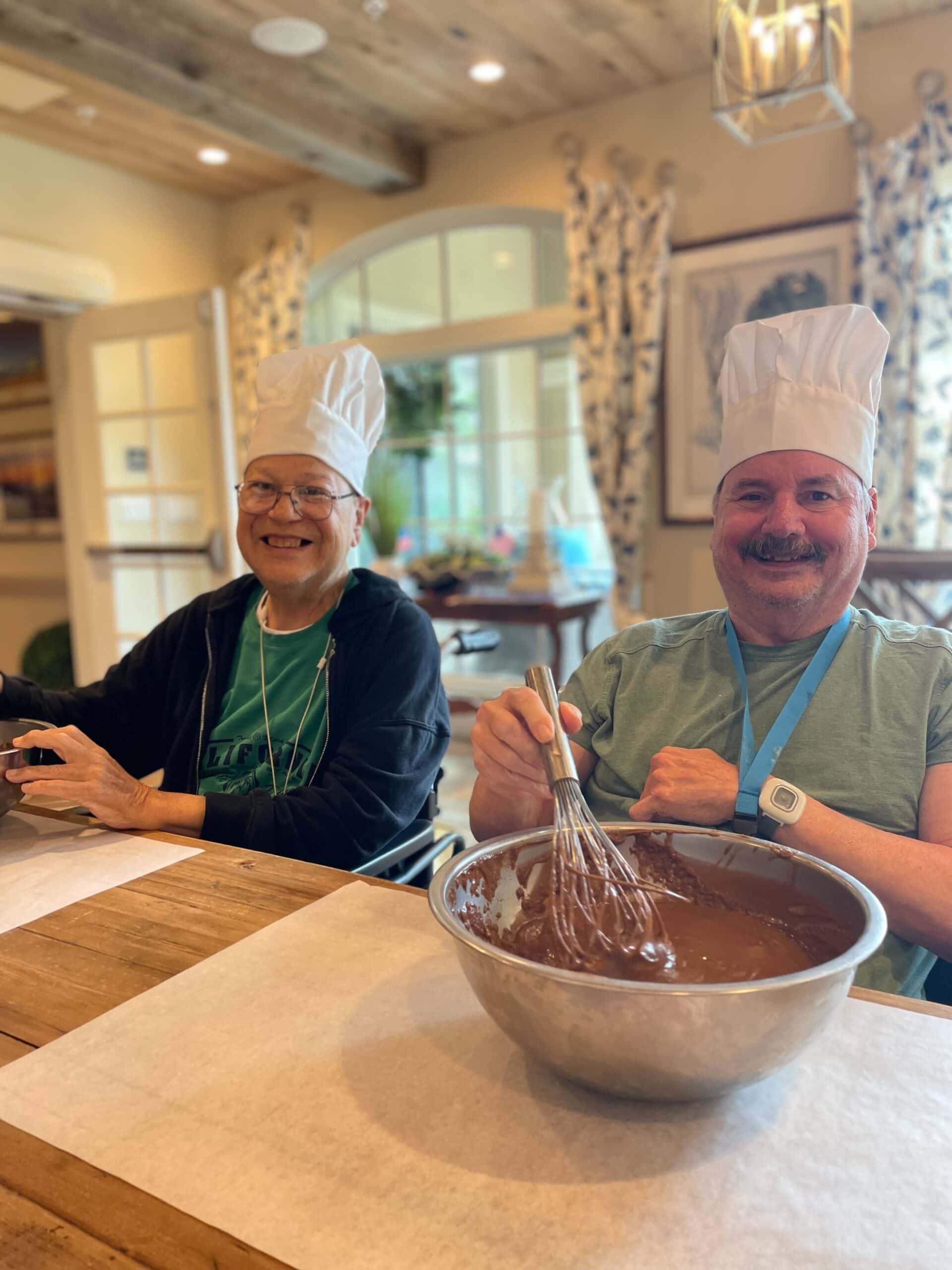
Your loved one may be ready for early-stage memory care in Redondo Beach if mild memory changes are beginning to affect daily routines, confidence, safety, social connection, or your peace of mind.
They may still be independent in many ways. They may still enjoy conversation, movement, hobbies, and time with family. But if each day now requires more reminders, reassurance, or planning, it may be time to explore a supportive next step.
At The Kensington Redondo Beach, The Kensington Club supports new and current assisted living residents experiencing mild changes in cognition. It offers structure, connection, and compassionate support before a crisis occurs.
What Is The Kensington Club?
The Kensington Club is The Kensington Redondo Beach’s early-stage memory care program for new and current assisted living residents experiencing mild changes in cognition.
It is designed for loved ones who may benefit from more support than traditional assisted living provides, but who may not yet need a more advanced memory care neighborhood.
The Kensington Club emphasizes:
- Familiar daily rhythm
- Peer connection
- Sensory movement
- Family participation
- Relationship-based support
- Individualized guidance that builds comfort, confidence, and trust

The program is part of The Kensington Redondo Beach’s broader memory care continuum.
| Memory Support Option | Best Fit | Support Focus |
| The Kensington Club | New and current assisted living residents experiencing mild changes in cognition | Routine, confidence, peer connection, and early memory support |
| Connections | Mid-stage memory loss | Greater structure, reassurance, and specialized memory care |
| Haven | Later-stage memory loss | Comfort, dignity, and compassionate support for greater care needs |
This continuum helps families plan with more confidence as needs change.
What Signs May Mean My Loved One Is Ready for The Kensington Club?
Occasional forgetfulness can happen with age. But dementia is not a normal part of aging, according to the CDC.
Warning signs may include memory changes that disrupt daily life, confusion with time or place, difficulty completing familiar tasks, and changes in mood or personality.
The signs below do not automatically mean your loved one needs memory care. They do mean it may be time to ask questions, document what you see, and explore support.
Are Memory Lapses Affecting Daily Life?
A forgotten name or misplaced pair of glasses may not be cause for concern.
A pattern of forgetfulness is different.
You may notice your loved one:
- Repeats the same question often

- Forgets recent conversations
- Misses appointments
- Misplaces items in unusual places
- Misses meals or medication reminders
- Calls more often for help with daily details
When memory lapses interrupt the flow of daily life, added structure can help.
Is Planning or Problem-Solving Becoming Harder?
Early cognitive changes often appear during tasks that require multiple steps.
Your loved one may seem comfortable in conversation, yet struggle with:
- Paying bills
- Managing prescriptions
- Following a recipe
- Using a calendar
- Planning errands
- Organizing paperwork
- Making decisions that used to feel simple
The National Institute on Aging notes that early Alzheimer’s signs may include difficulty handling money, poor judgment, losing track of dates, and changes in memory or thinking.
Is Your Loved One Pulling Away Socially?
Social withdrawal can be one of the earliest changes families notice.
Your loved one may:
- Avoid gatherings
- Stop attending activities
- Decline invitations
- Seem quieter in group conversations
- Lose interest in hobbies
- Feel embarrassed by memory changes
This can be painful for families. It can also be lonely for the loved one.
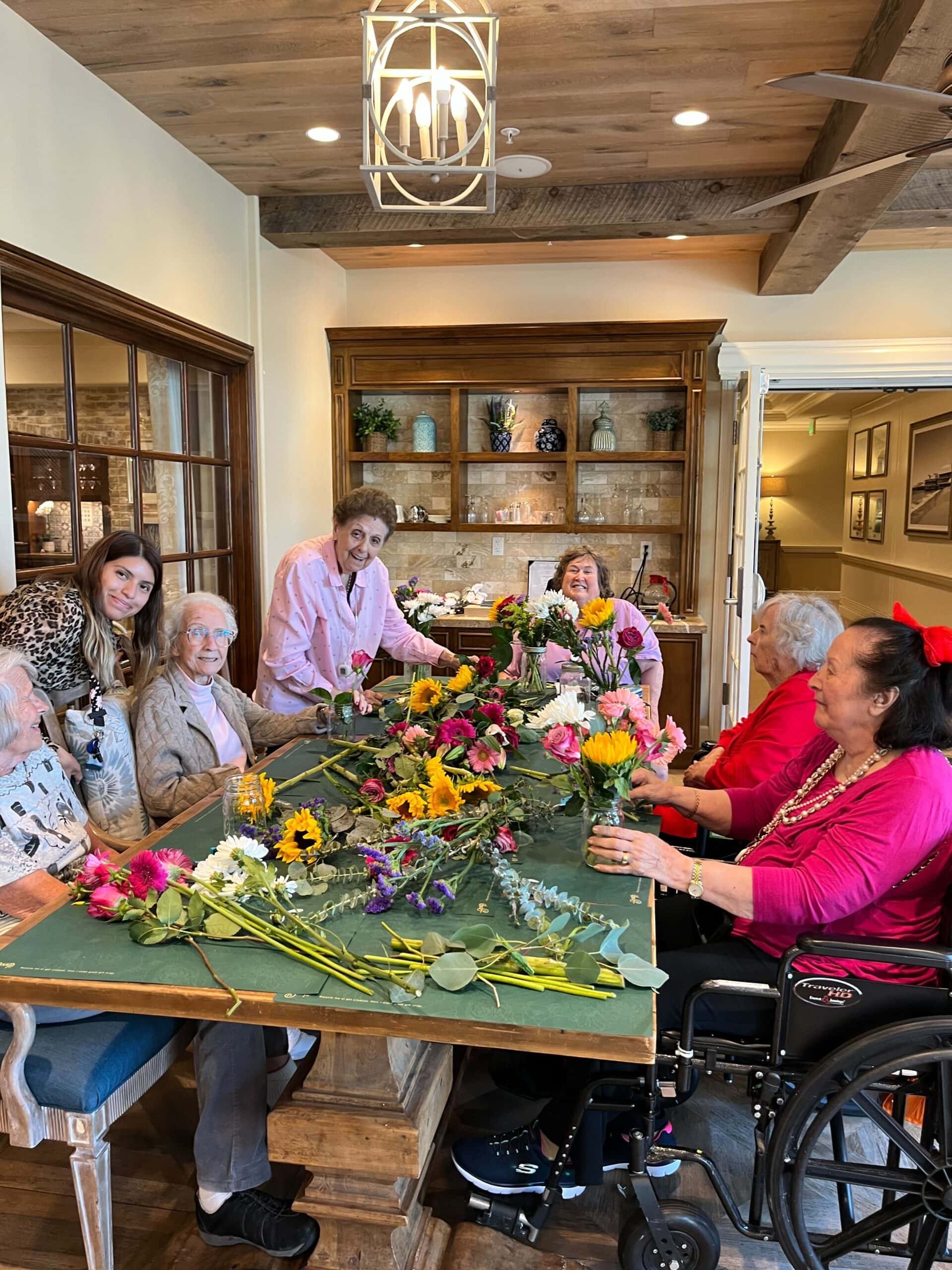
The Kensington Club provides a warm, low-pressure environment where residents can connect with peers and participate at their comfort level.
One family shared that after joining The Kensington Club, their mother’s life was filled with “renewed purpose, joy, and connection.”
Are Mood or Anxiety Changes Increasing?
Memory changes can affect emotional well-being.
You may notice:
- New irritability
- Anxiety in unfamiliar settings
- Sensitivity to schedule changes
- Apathy
- Confusion later in the day
- Worry about being alone
- Frustration when routines shift
These changes are not character flaws. They may be signs that your loved one is working harder to understand and manage the day.
A familiar rhythm, trusted team members, and meaningful engagement can help each day feel more manageable.
Are Safety Concerns Becoming More Frequent?
Families often begin searching for memory care in Redondo Beach when small safety concerns become harder to ignore.
Examples include:
- Getting lost on familiar routes
- Forgetting to turn off appliances
- Missing medications
- Forgetting meals
- Leaving doors unlocked
- Becoming confused about dates or times
- Having more falls or near-falls
You do not have to wait for an emergency to seek guidance.
Early support can help families plan thoughtfully while preserving dignity, choice, and comfort.
Are You Feeling More Worried as a Caregiver?
Sometimes the clearest sign comes from the family caregiver.
You may feel:
- Uneasy when your loved one is alone
- Responsible for more reminders
- Worried about isolation
- Unsure how much help is enough
- Guilty for considering senior living
- Exhausted from frequent check-ins
Caregiver concern is not overreacting. It is often a sign that your family needs more support around someone you love.
What Should Families Do First When They Notice Memory Changes?
You do not need to make every decision at once. Start with clear, practical steps.
1. Write Down What You Notice
Track specific examples for one to two weeks.
Include:
- What happened
- When it happened
- How often it happens
- Whether safety was affected
- How your loved one responded
- Whether changes happen more at certain times of day
This record can help physicians, family members, and care professionals understand the full picture.
2. Schedule a Medical Evaluation
Memory changes can have many causes. Some are related to dementia. Others may be linked to:
- Medication side effects
- Infections
- Sleep issues
- Mood changes
- Dehydration
- Vitamin deficiencies
- Other health concerns
The Alzheimer’s Association recommends talking with a doctor when memory or thinking changes interfere with daily life.
A diagnosis is not required before you speak with The Kensington Redondo Beach, but medical guidance is an important step.
3. Talk With Your Loved One Gently
Choose a calm time. Focus on support, not blame.
Helpful phrases include:
- “I’ve noticed a few changes, and I want us to talk through them together.”
- “You deserve support that helps each day feel easier.”
- “Let’s explore options before anything feels urgent.”
Avoid arguing about whether a specific moment happened. Instead, focus on shared goals: safety, comfort, dignity, and connection.
4. Review Daily Routines
Look honestly at where your loved one may need more help.
Consider:
- Meals
- Medication reminders
- Transportation
- Personal care
- Bills and appointments
- Social connection
- Home safety
- Emotional well-being
If several areas are becoming harder, early memory support may be helpful.
5. Compare Local Care Options
Families in Redondo Beach and the South Bay may consider several types of support.
These may include:
- Help at home
- Assisted living
- Assisted living with memory support
- The Kensington Club
- Connections
- Haven
The right option depends on safety, daily routines, social needs, mobility, health needs, and caregiver availability.
6. Schedule a Conversation With The Kensington Redondo Beach
You do not need to have everything figured out before reaching out.
Share what you are noticing. Ask whether The Kensington Club may be a fit. Learn what support is available now and what options may help later if needs change.
Contact The Kensington Redondo Beach to start the conversation.
7. Schedule a Tour When Questions Begin
A tour can help your family picture daily life more clearly.
During your visit, ask about:
- Daily routines
- Memory support
- Dining
- Family communication
- Suites
- Transitions between levels of care
You can also explore suites and floor plans before or after your visit.
Why Can Early Memory Support Make a Difference?
Early memory support is not about taking independence away. It is about surrounding your loved one with the right level of help at the right time.
The Kensington Club can support:
- Predictable routines
- Social connection
- Meaningful engagement
- Confidence
- Emotional reassurance
- Family involvement
- Planning for future needs
This can be especially helpful when a loved one is still active and engaged, but daily details are becoming harder.
The goal is to support the person they are today while preparing thoughtfully for tomorrow.
How Does The Kensington Club Support Families in Redondo Beach?
The Kensington Redondo Beach is located at 801 S. Pacific Coast Hwy, Redondo Beach, CA, 90277.
Our community is steps from the Pacific Ocean and near South Bay landmarks such as Riviera Village, the Redondo Beach Pier, Del Amo Fashion Center, and The Strand.
For local families, that means support can stay close to familiar places, familiar routines, and the people who matter most.
The Kensington Redondo Beach is also a Positive Approach to Care Designated Community. This reflects dementia care practices rooted in dignity, empathy, communication, and meaningful connection.
Families often come to us asking:
- “Is this normal aging?”
- “Is my mom safe at home?”
- “Does my dad need memory care yet?”
- “What if we wait too long?”
- “How do I bring this up with love?”
You do not have to answer those questions alone.
What Questions Should I Ask During a Tour?
A tour is not just a look at the community. It is a chance to understand whether the support feels right for your loved one and your family.
Consider asking:
- What signs suggest my loved one may be ready for The Kensington Club?
- How do you support residents with mild changes in cognition?
- What does a typical day look like?
- How do team members get to know each resident?
- How do families stay informed?
- How does The Kensington Club differ from Connections and Haven?
- What happens if my loved one’s needs change?
- What should we do if we are not ready to move yet?
- How can we help our loved one feel comfortable with this transition?
The right conversation should leave you feeling clearer, not pressured.
What Emotional Concerns Are Normal for Families?
Choosing early memory support can bring up complicated feelings.
You may worry that you are moving too soon. You may also worry that waiting could put your loved one at risk.
Both feelings can exist at the same time.
Will My Loved One Feel Like We Are Taking Over?
This is a common fear.
A supportive conversation focuses on what your loved one may gain:
- More connection
- More routine
- More reassurance
- More opportunities for engagement
- More support when the day feels confusing
The conversation does not have to be about loss. It can be about helping life feel easier and more connected.
What If My Loved One Is Too Independent for Memory Care?
That may be exactly why The Kensington Club is worth exploring.
The Kensington Club is designed for new and current assisted living residents experiencing mild changes in cognition. It can offer early support before a loved one needs a more structured memory care neighborhood.
What If I Feel Guilty?
Guilt is common among loving families.
Asking for help does not mean you are stepping away. It means you are building a wider circle of support around someone you love.
Schedule a Conversation With The Kensington Redondo Beach
If your loved one is experiencing mild changes in cognition, you do not have to wait for a crisis to seek support.
The Kensington Club may offer the structure, connection, and reassurance your family needs now.
Contact The Kensington Redondo Beach to speak with our team, ask questions, and explore whether early-stage memory care in Redondo Beach is the right next step for your loved one.
Contact The Kensington Redondo Beach
FAQs: Early-Stage Memory Care in Redondo Beach
Yes. Some people with mild dementia or mild changes in cognition may live in assisted living with the right support, structure, and safety planning.
The right fit depends on daily needs, judgment, medication management, mobility, social engagement, and how much cueing the person needs.
Memory care may be necessary when memory loss affects safety, medication management, nutrition, navigation, hygiene, judgment, or emotional well-being.
It may also be time to explore memory care when family caregivers feel they can no longer provide enough support alone.
The Kensington Club is The Kensington Redondo Beach’s early-stage memory care program for new and current assisted living residents experiencing mild changes in cognition.
It supports routine, confidence, connection, movement, peer engagement, and family participation.
No. The Kensington Club supports assisted living residents with mild changes in cognition.
Connections is for mid-stage memory loss. Haven is for later-stage memory loss.
Together, these options help families plan for changing needs with greater continuity and peace of mind.
No. Families can reach out when they begin noticing changes.
A medical evaluation is important, but you do not need to wait for a formal diagnosis to ask questions, tour, or learn whether The Kensington Club may be a fit.
Start with one small conversation.
Avoid labels or arguments. Focus on what matters to your loved one, such as staying social, feeling confident, reducing stress, or making daily life easier.
A tour, lunch visit, or conversation with the team may feel less overwhelming than discussing a major life change all at once.